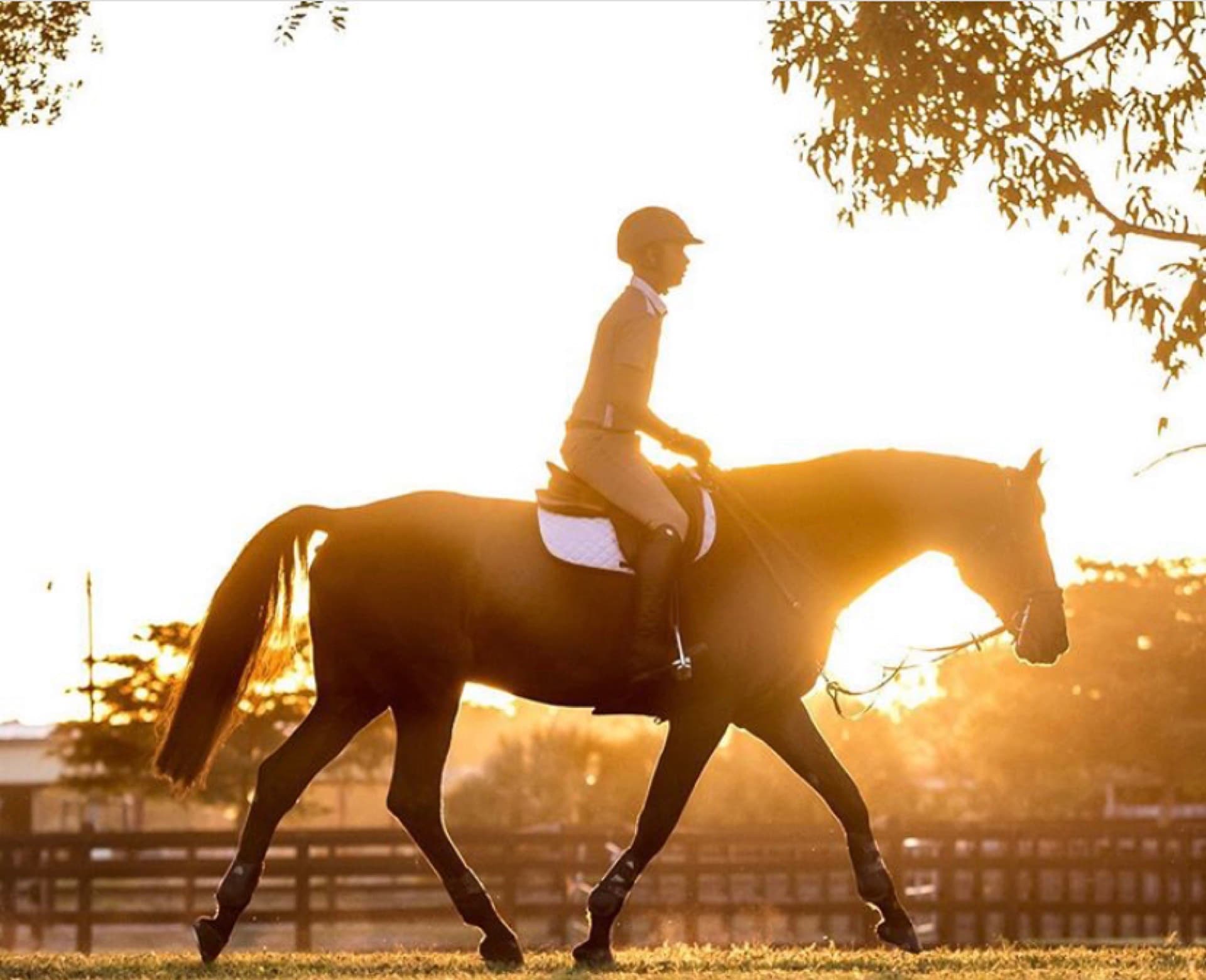
For any horse owner or farm manager in Florida, particularly within the equestrian hubs of Wellington, Loxahatchee, and across Palm Beach County, the health and vitality of your pastures and paddocks are paramount. Beyond aesthetics, well-maintained turnout areas are fundamental to the health, happiness, and performance of your horses. They provide essential forage, promote natural movement, and significantly contribute to the overall value and appeal of your equestrian property. However, managing turf in Florida’s unique climate – with its intense heat, high humidity, and distinct wet and dry seasons – presents its own set of challenges and opportunities.
This comprehensive guide delves into the specifics of sod installation, paddock turf care, and pasture management tailored for Florida’s equestrian landscape. We'll explore suitable grass varieties, seasonal care schedules, effective irrigation strategies, reseeding techniques, and practical advice to ensure your turnout areas remain healthy and resilient year-round.
The Foundation: Strategic Sod Installation for Horse Farms
Establishing a new pasture or renovating existing paddocks often begins with strategic sod installation. While seeding might seem more economical upfront, sod offers immediate benefits that are invaluable for busy horse farms:
- Instant Coverage: Sod provides an immediate, mature turf surface, drastically reducing erosion risk and offering a usable area much faster than seed.
- Weed Suppression: A dense sod mat smothers existing weeds and makes it harder for new ones to take hold.
- Uniformity: Sod ensures a consistent grass type and density across the entire area, crucial for even grazing and aesthetic appeal.
- Soil Stabilization: Especially on slopes or high-traffic zones, sod's established root system prevents soil loss and improves drainage.
Site Preparation: The Critical First Step
Successful sod installation hinges on meticulous site preparation. This isn't a step to rush, as it impacts the long-term health of your pasture.
- Soil Testing: Before any work begins, a comprehensive soil test is essential. This reveals pH levels, nutrient deficiencies, and soil composition, guiding necessary amendments like lime, sulfur, or specific fertilizers. Florida soils, particularly sandy ones prevalent in many parts of Palm Beach County, often require significant nutrient balancing.
- Clearing and Grading: Remove all existing vegetation, debris, and rocks. Proper grading is critical for surface water drainage, preventing standing water which can lead to fungal issues, mosquito breeding, and muddy conditions. This is where professional expertise, like the grading services offered by My Horse Farm, becomes invaluable. Ensuring a slight slope away from structures and eliminating depressions will significantly improve the longevity and usability of your paddocks.
- Soil Amendments: Based on your soil test, incorporate organic matter (compost), topsoil, or specific nutrients into the existing soil. Till these amendments to a depth of 4-6 inches to create a rich, loose bed for the sod roots to establish quickly.
Sod Selection and Installation Process
Once the ground is prepared, selecting the right sod variety is crucial. (More on specific varieties below). Ensure you source fresh, healthy sod from a reputable supplier. The installation itself involves laying sod strips tightly together, staggering seams like brickwork, and cutting to fit. After installation, immediate and thorough watering is paramount. Roll the sod to ensure good contact with the prepared soil, eliminating air pockets that can cause roots to dry out.
Initial Care Post-Installation
For the first 2-4 weeks, keep the new sod consistently moist, watering deeply daily or twice daily depending on the weather. Gradually reduce watering frequency as the sod establishes, encouraging roots to grow deeper. Restrict horse access during this crucial establishment period, typically 4-6 weeks, or longer if conditions are challenging. This allows roots to firmly anchor and withstand the impact of hooves.
Choosing the Right Grass for Your Florida Horses
Florida's climate dictates specific grass choices. The ideal pasture grass for horses must be resilient, nutritious, palatable, and able to withstand grazing pressure. Here are the primary varieties suited for Florida, with considerations for equestrian use:
Bahia Grass (Paspalum notatum)
Pros:
- Drought and Heat Tolerant: Bahia is exceptionally hardy, thriving in Florida’s hot, often dry conditions, and sandy soils.
- Low Maintenance: Requires less fertilization and irrigation compared to other varieties once established.
- Good Forage: Produces decent quality forage, especially the Argentine and Pensacola varieties, which are commonly used in pastures throughout Palm Beach County. It's generally safe for horses and can withstand moderate grazing pressure.
- Resilience: Establishes a strong root system that helps prevent erosion.
Cons:
- Texture: Can become stemmy and less palatable if not mowed regularly or if it gets too mature.
- Weed Pressure: Can be outcompeted by aggressive weeds if not properly managed.
- Growth Habit: Spreads by seed and rhizomes but doesn't form as dense a sod as Bermuda.
Bermuda Grass (Cynodon dactylon)
Pros:
- Excellent Forage Quality: High in protein and energy, making it a very nutritious option for horses, especially improved varieties like 'Tifton 85' or 'Jiggs'.
- Dense and Resilient: Forms a very dense, traffic-resistant turf due to its aggressive stolon (above-ground runner) and rhizome (below-ground runner) growth. This makes it excellent for high-traffic paddocks in areas like Wellington.
- Rapid Recovery: Recovers quickly from heavy grazing or damage.
- Salt Tolerant: Some varieties have good salt tolerance, which can be beneficial in certain coastal areas of Florida.
Cons:
- High Maintenance: Requires significant fertilization, regular mowing, and consistent irrigation to maintain optimal health and productivity, especially during dry periods.
- Cold Sensitivity: Goes dormant in cooler temperatures, leading to reduced forage in winter.
- Aggressive Growth: Can invade other areas if not managed, requiring more vigilant fence line maintenance.
St. Augustine Grass (Stenotaphrum secundatum)
Pros:
- Shade Tolerance: One of the best options for shaded areas, where other grasses struggle.
- Aesthetic Appeal: Creates a beautiful, lush, dark green turf.
Cons (CRITICAL for horses):
- Not Ideal for Grazing: St. Augustine is primarily a lawn grass, not a pasture grass. It has a high sugar content, which can be problematic for horses prone to laminitis, insulin resistance, or metabolic syndrome.
- Low Traffic Tolerance: Does not withstand heavy grazing or hoof traffic well, quickly breaking down under equestrian use.
- Nutritional Deficiencies: Can be low in certain nutrients vital for horses.
- Fungal Issues: Prone to fungal diseases like 'St. Augustine Decline' and chinch bugs.
Recommendation: While suitable for very lightly used aesthetic areas, St. Augustine is generally NOT recommended for horse turnout paddocks or pastures due to health concerns and poor traffic tolerance. If present in small, unavoidable areas, strictly limit horse access.
Overseeding with Cool-Season Annuals
For winter forage, especially in the northern parts of Florida or for supplementing dormant warm-season grasses in Royal Palm Beach and further south, annual ryegrass (Lolium multiflorum) is a popular choice for overseeding. It provides green forage during cooler months but will die back as temperatures rise in spring.
Seasonal Paddock & Pasture Management in Florida
Effective pasture management in Florida is a year-round endeavor, adapting to the state's distinct seasons. A proactive approach is key to maintaining healthy, productive turnout areas.
Spring (March - May)
- Soil Testing & Fertilization: As warm-season grasses emerge from dormancy, conduct soil tests to determine exact nutrient needs. Apply a balanced fertilizer based on recommendations. Avoid over-fertilization, which can lead to rapid, less nutritious growth and increase weed pressure.
- Weed Control: Spring is prime time for weed germination. Implement an integrated weed management plan combining mechanical removal, mowing to prevent seed heads, and targeted herbicide application (ensuring products are safe for horses and grazing).
- Mowing: Begin regular mowing to encourage tillering and dense growth. Maintain an optimal height (e.g., 4-6 inches for Bahia, 3-5 inches for Bermuda).
- Irrigation System Check: Inspect and repair irrigation systems before the dry season fully sets in.
- Reseeding/Repair: Address any bare or thinning spots by overseeding or patching with sod.
Summer (June - August)
- Mowing & Grazing Management: Continue regular mowing to maintain optimal height and prevent grasses from becoming too mature or stemmy. Implement rotational grazing if possible to allow paddocks to rest and recover.
- Irrigation: Although Florida experiences its rainy season, dry spells can still occur. Supplement rainfall with irrigation to ensure grasses receive at least 1-1.5 inches of water per week. Water deeply and infrequently to encourage deep root growth.
- Pest & Disease Monitoring: Be vigilant for common summer pests like armyworms, mole crickets, and chinch bugs, as well as fungal diseases exacerbated by humidity. Address issues promptly with appropriate, horse-safe treatments.
- Shade & Shelter: Ensure horses have access to adequate shade and shelter during the hottest parts of the day to prevent heat stress.
Fall (September - November)
- Prepare for Cooler Weather: As temperatures begin to drop, warm-season grasses will slow their growth. Reduce fertilization to avoid stimulating new growth that could be damaged by an early frost.
- Overseeding: If providing winter forage, mid-to-late fall is the ideal time to overseed with annual ryegrass. Ensure good seed-to-soil contact and consistent moisture for germination.
- Soil Amendments: This is a good time to apply any necessary lime or sulfur based on soil test results, allowing them time to work into the soil before the next growing season.
- Fence Maintenance: Inspect and repair fences before winter, especially if you plan to rotate pastures or reduce grazing in certain areas.
Winter (December - February)
- Reduced Growth: Warm-season grasses will be dormant or semi-dormant. Minimize grazing pressure on these areas to protect root systems and allow them to conserve energy for spring.
- Focus on Sacrifice Areas: Direct horses to sacrifice paddocks or dry lots to prevent overgrazing and damage to dormant pastures.
- Weed Control: Monitor for cool-season weeds and address as needed.
- Equipment Maintenance: Use the slower season for repairing and maintaining pasture equipment.
Essential Paddock Turf Care & Maintenance Strategies
Beyond seasonal tasks, consistent maintenance practices are crucial for the long-term health and productivity of your horse pastures.
Mowing for Health
Mowing isn't just about aesthetics; it's a vital management tool:
- Optimal Height: Always maintain the correct mowing height for your grass variety. For most Florida pasture grasses like Bahia and Bermuda, this is typically 3-6 inches. Cutting too short stresses the grass, depletes root reserves, and makes it more susceptible to weeds and drought.
- Frequency: Mow often enough to prevent grasses from going to seed and becoming stemmy, but not so often that you remove more than one-third of the blade at a time.
- Weed Control: Regular mowing helps control many broadleaf weeds by preventing them from going to seed.
- Nutrient Cycling: Leaving mown clippings on the pasture returns organic matter and nutrients to the soil, acting as a natural fertilizer.
Fertilization: Fueling Growth Responsibly
Fertilization should always be guided by soil test results. Over-fertilization is wasteful, can harm the environment, and can lead to nutrient imbalances in forage that are detrimental to horse health.
- Timing: Apply fertilizers when grasses are actively growing (typically spring and early summer for warm-season grasses).
- Type: Use a fertilizer blend appropriate for your soil and grass type, focusing on nitrogen, phosphorus, and potassium (N-P-K) as well as any necessary micronutrients.
- Organic Options: Consider organic fertilizers or compost to improve soil structure and slow-release nutrients, reducing the risk of runoff.
Weed, Pest, and Disease Management
An integrated approach is best for managing these common pasture challenges:
- Weed Identification: Learn to identify common pasture weeds in Palm Beach County. Early identification allows for more effective control.
- Cultural Control: Healthy, dense turf is the best defense against weeds. Proper mowing, fertilization, and grazing rotation can significantly reduce weed pressure.
- Mechanical Control: Hand-pulling, hoeing, or spot-spraying individual weeds can be effective for smaller infestations.
- Chemical Control: Use herbicides as a last resort, always selecting products labeled safe for use on grazing pastures and following all label directions meticulously. Consider consulting a specialist to ensure proper application and safety for your horses.
- Pest & Disease Scouting: Regularly walk your pastures to inspect for signs of pests (e.g., armyworms, mole crickets, nematodes) or diseases (e.g., fungal spots, rust). Timely intervention is crucial.
Sacrifice Areas & Rotational Grazing
These are perhaps the most impactful strategies for maintaining healthy pastures, especially on smaller properties common in areas like Loxahatchee:
- Sacrifice Areas/Dry Lots: Dedicate a small, durable area (gravel, sand, or robust footing) where horses can be turned out during periods of excessive wetness, drought, or when primary pastures need to rest. This prevents overgrazing, deep hoof damage, and mud formation in your main pastures.
- Rotational Grazing: Divide larger pastures into smaller paddocks and rotate horses through them. This allows grazed areas to rest and regrow, promoting healthier grass and reducing parasite loads. The ideal rotation period varies depending on grass growth and stocking density.
Manure Management for Pasture Health
Manure accumulation can lead to 'spot grazing' (horses avoid areas with manure) and harbor parasites. Regular manure removal is crucial for pasture health and horse well-being.
- Harrowing/Dragging: Break up and spread manure piles to expose parasite eggs to sunlight, which helps kill them. This is most effective during hot, dry weather.
- Regular Removal: For smaller paddocks, daily or every-other-day removal of manure is ideal. My Horse Farm offers efficient manure removal services to keep your pastures clean and healthy, preventing issues before they start.
Irrigation: The Lifeline of Florida Pastures
Given Florida’s distinct dry seasons, effective irrigation is often non-negotiable for maintaining lush pastures.
- Understanding Water Needs: Most pasture grasses require 1-1.5 inches of water per week, either from rainfall or irrigation, during their active growing season.
- Deep & Infrequent Watering: Encourage deep root growth by watering deeply, allowing the topsoil to dry out slightly between irrigation events. This makes grasses more drought-tolerant. Shallow, frequent watering promotes shallow root systems, making grass weaker and more susceptible to stress.
- Types of Systems: Consider various irrigation systems from simple hose-end sprinklers for small areas to more complex installed systems or traveling irrigators for larger pastures. Consult with an expert to design a system that efficiently covers your entire turnout area without wasting water.
- Monitoring: Use rain gauges to track natural precipitation and soil moisture probes to determine when irrigation is truly needed. Overwatering can be as detrimental as underwatering, leading to root rot and fungal diseases.
Reseeding & Renovation for Optimal Turnout
Even with the best management, pastures can thin out over time due to heavy grazing, drought, or disease. Reseeding or renovation can restore vitality.
- When to Reseed: Look for bare spots larger than a dinner plate, areas with significant weed invasion, or general thinning across the pasture. Reseeding is best done when temperatures and moisture conditions are favorable for germination (typically spring or fall for warm-season grasses).
- Preparation: Lightly disc or aerate the area to loosen compacted soil and create a good seedbed. Remove excessive thatch or weeds.
- Seed Selection: Choose a high-quality, fresh seed blend appropriate for your climate and horse needs. Consider a blend of Bahia and Bermuda for resilience and forage quality.
- Application: Broadcast seed evenly using a spreader. Lightly rake or roll the area afterward to ensure good seed-to-soil contact.
- Post-Seeding Care: Keep the reseeded area consistently moist until seedlings are well-established. Restrict grazing until new grass is robust enough to withstand hoof traffic, typically when it reaches 6-8 inches in height.
- Major Renovation: For severely degraded pastures, a full renovation might be necessary. This involves killing off existing vegetation, tilling, soil amending, and then either reseeding or resodding the entire area, much like initial sod installation.
Conclusion: A Healthy Pasture for Healthy Horses
Maintaining healthy, productive pastures and paddocks in Florida is an ongoing commitment, but one that pays dividends in the health of your horses and the value of your property. From strategic sod installation to nuanced seasonal care, irrigation, and proactive management of weeds and pests, every aspect contributes to creating an ideal environment for your equestrian partners.
Whether you're establishing new turnout areas in Wellington, renovating paddocks in Loxahatchee, or simply needing expert advice on year-round pasture care in Royal Palm Beach, My Horse Farm is here to help. We offer a full suite of property services, including expert sod installation, fill dirt delivery, grading, and routine farm repairs to ensure your Florida equestrian property remains pristine and functional. Let us handle the heavy lifting so you can focus on your horses.
Contact My Horse Farm today at (561) 576-7667 or visit myhorsefarm.com to discuss your specific pasture and property needs.